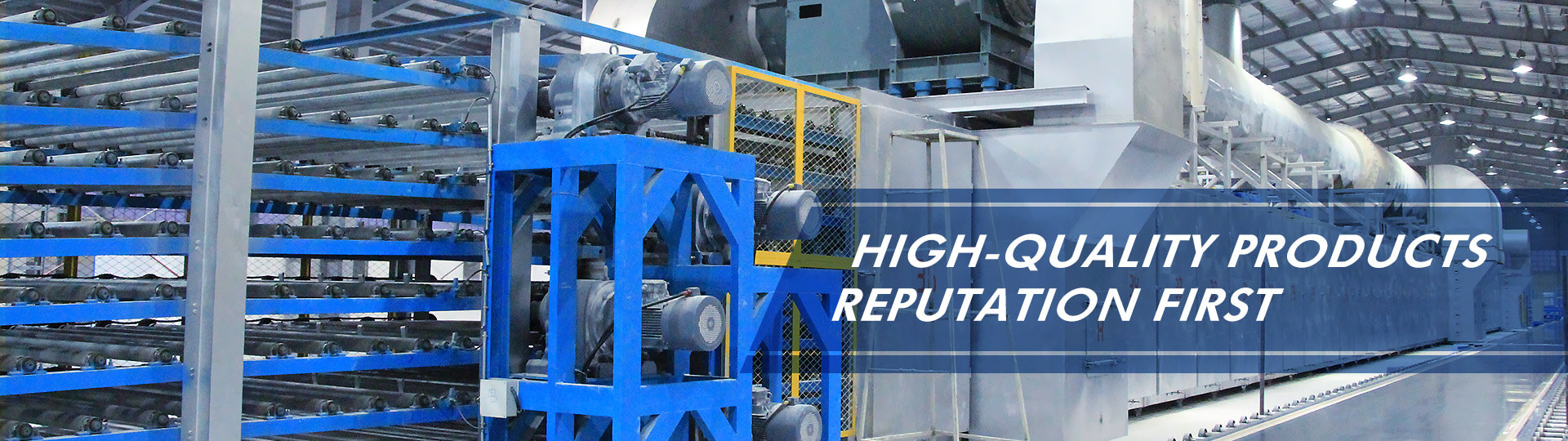
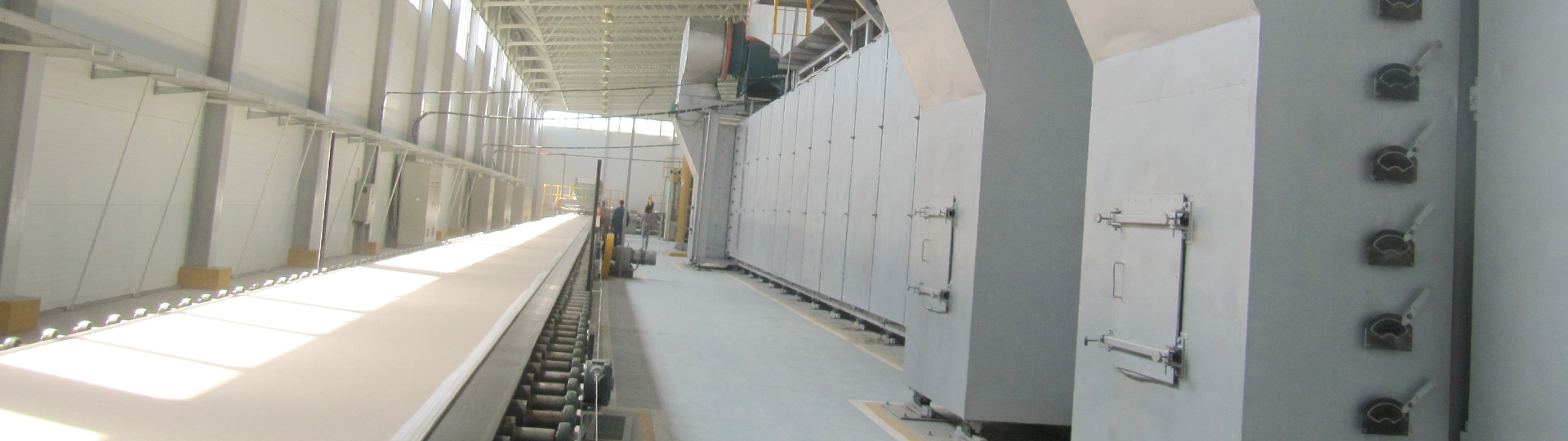
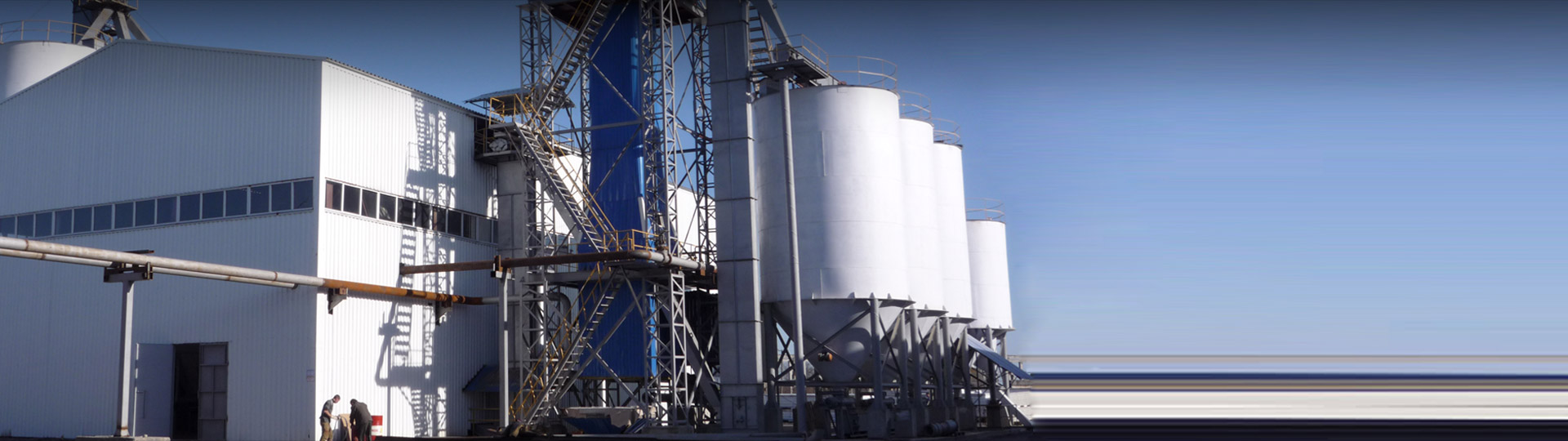


DCI supplied a complete gypsum powder production line with an annual capacity of 300,000 tonnes in Morocco and put it into production in 2024. It is the largest powder line DCI has built.
Item | Detail |
Country | Morocco |
Product line | Gypsum powder (building gypsum, hemihydrate) |
Annual capacity | 300,000 t/y |
Raw material | Natural gypsum rock |
Calcination system | Rotary kiln, XGY series |
Quality standard | GB/T 9776-2008 |
Status | In production since 2024 |
Delivery basis | Turnkey — design, manufacture, installation, commissioning, training |
No single kiln in DCI's range reaches 300,000 t/y. The largest boiling kiln, FTL-20, is rated at 200,000 t/y, and the largest rotary kiln, XGY-2.5, at 100,000 t/y. Where the target annual output exceeds what one unit can deliver, DCI reaches the figure by combining units.
Natural gypsum rock is crushed, ground, calcined, aged and packed. The line is built from five systems — grinding, automatic measuring, calcination, heat supply, and aging and packing. Where the incoming rock is large, a crushing stage is added ahead of grinding to reduce it to 0–30 mm before it enters the mill.
System | Function |
Crushing (where required) | Reduces run-of-mine gypsum rock to 0–30 mm for the mill |
Grinding | Raymond mill grinding to the fineness required by the calciner |
Calcination | Rotary kiln, indirect combustion, dihydrate to hemihydrate stucco |
Heat supply | Burner and hot air system matched to the fuel available on site |
Cooling and aging | Stabilises phase composition before storage |
Storage and packing | Finished stucco storage, bagging and dispatch |
This project uses the rotary kiln route rather than a boiling kiln. DCI's rotary kiln was upgraded from the conventional design by changing from direct firing to indirect combustion. That raises powder whiteness, widens the acceptable feed size to 30 mm, and allows calcining of powder finer than 80 mesh. The process can run either calcining before grinding or grinding before calcining.
Setting time on this route is adjustable — initial setting 3–10 minutes and final setting 9–20 minutes.
The line is configured for natural gypsum rock, which needs no desulphurisation or phosphate by-product handling. DCI builds the same capacity class for FGD gypsum and phosphogypsum as well; those routes change the feed preparation and drying stages, and the flow sheet is fixed only after the raw material is confirmed by analysis.
Fuel options across the range are natural gas, diesel, coal and heavy oil. Fuel decides the heat supply system and a significant share of operating cost, so it is locked during design rather than during commissioning. The specific fuel used at this plant is not recorded in DCI's public project data.
DCI's turnkey scope on a powder line of this class covers the following stages. Final scope and site responsibilities are fixed in the supply contract.
Stage | Scope |
Process design | Flow sheet, plant layout, equipment selection against raw material, capacity and fuel |
Manufacturing | Core equipment built at DCI's own machining, electrical and precision casting workshops |
Shipping | Packed for sea freight from Tianjin Port |
Installation | DCI engineers supervise mechanical erection and carry out electrical work on site |
Commissioning | Cold and hot trial runs; setting time, fineness and output adjusted to design capacity |
Training | Operator and maintenance training during commissioning; technical documents handed over |
Morocco is one of the countries where DCI has delivered three production lines. Alongside this 300,000 t/y powder plant, DCI supplied a 15 million m²/year gypsum board production line, in production since 2024, and a 3 million m²/year gypsum board lamination line. Together the three cover the route from raw gypsum through to finished PVC laminated ceiling tiles.
A single-country reference set matters practically: spare parts, service response and process know-how sit with one supplier instead of three.
The line has been in production since 2024. The project carries a one-year warranty from acceptance, remote technical support, and continuing supply of spare parts, wear parts and production raw materials.
Q: What capacity was delivered for this project?
A: 300,000 tonnes per year of building gypsum powder — the largest powder line DCI has built.
Q: Which calcination system does the plant use?
A: A rotary kiln from the XGY series, with indirect combustion. It suits projects that need higher whiteness, a wider feed size range, and adjustable setting time.
Q: What raw material does the line process?
A: Natural gypsum rock. DCI also configures powder lines for FGD gypsum and phosphogypsum.
Q: Can a single kiln reach 300,000 t/y?
A: No. DCI's largest single units are FTL-20 at 200,000 t/y and XGY-2.5 at 100,000 t/y. Higher annual output is reached by combining units.
Q: What standard does the powder meet?
A: GB/T 9776-2008, with setting time adjustable between 3–10 minutes initial and 9–20 minutes final.
Planning a gypsum board plant or a capacity expansion? Tell us your target capacity, raw material type and available fuel — we will provide a tailored configuration and proposal.
Hengshui Decheng Machinery & Equipment Co., Ltd. (DCI) — Email: dci@chinagypsummachine.com | WhatsApp: +86 13930110827 / +86 18203235588
| Web: www.dcimachine.com
Processing Demand Survey
x