Your Choice of Product
The production of gypsum board (also known as drywall or plasterboard) requires a series of specialized machines that work in a coordinated sequence. A gypsum board manufacturing machine refers to any individual unit within the production line, from the wet mixer to the cutting knife and dryer. Understanding the function and technical parameters of each machine is essential for plant operators, maintenance engineers, and investors planning a new facility. This article provides a detailed breakdown of the key machines used in a modern gypsum board line, their operating principles, and practical advice on selection and maintenance. The equipment described is representative of systems supplied by Hengshui Decheng Machinery & Equipment Co.,Ltd., a manufacturer with experience in delivering complete lines to various markets.
A gypsum board manufacturing machine is any mechanical device that performs a specific operation in the transformation of gypsum powder, water, additives, and paper liners into a finished board. The entire production line can consist of 15–20 major machines plus auxiliary equipment. These machines are designed for continuous operation, often running 24 hours per day, 7 days per week. Their reliability directly impacts product quality, energy consumption, and production cost.
The following table summarizes the main machines, their function, and typical technical specifications.
| Machine Name | Function | Key Specifications |
|---|---|---|
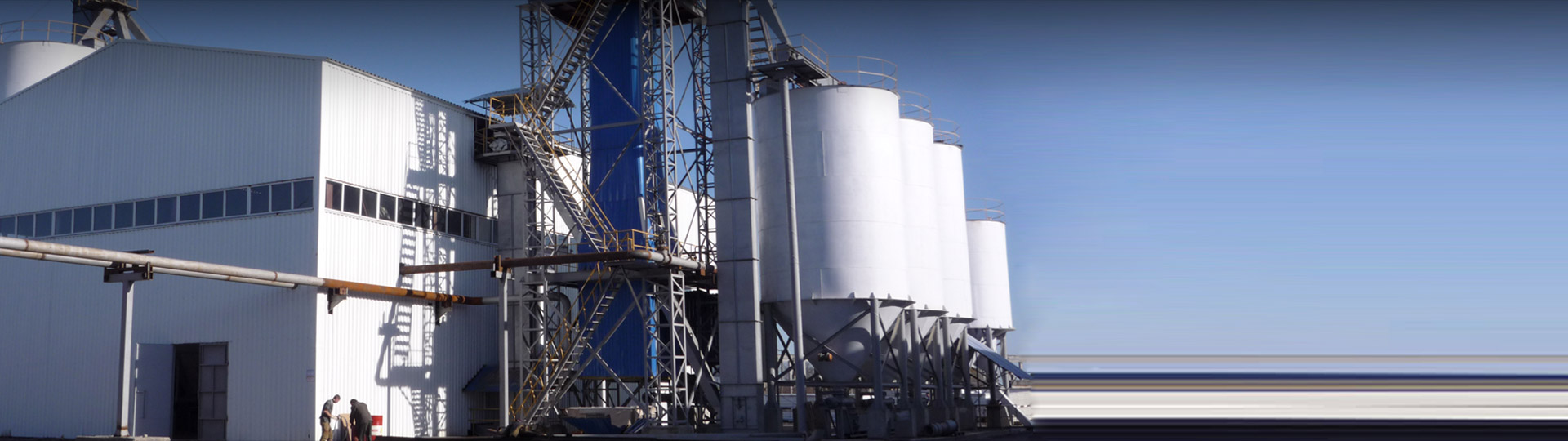
| Raw material silo with screw conveyor | Store gypsum powder and feed into mixer | Capacity: 50–200 tons; feed rate adjustable 2–20 t/h |
| Wet mixer (continuous pin mixer) | Mix gypsum powder, water, starch, retarder, and foam | Rotor speed: 300–600 rpm; mixing length: 1.5–3 m |
| Forming table (with vibrating roller) | Spread slurry evenly between lower and upper paper | Length: 3–6 m; vibration frequency: 50–100 Hz |
| Edge former (gluing device) | Apply glue and fold paper edges to form board sides | Glue temperature: 60–80°C; adjustable edge height |
| Setting conveyor (belt or roller type) | Allow board to harden before cutting | Length: 30–80 m; speed: 3–20 m/min |
| Synchronous cutting knife | Cut continuous board to specified length | Cutting accuracy: ±2 mm; max cutting speed: 30 cuts/min |
| Edge trimmer | Trim excess paper and gypsum from board edges | Blade material: tungsten carbide; motor power: 2.2–4 kW |
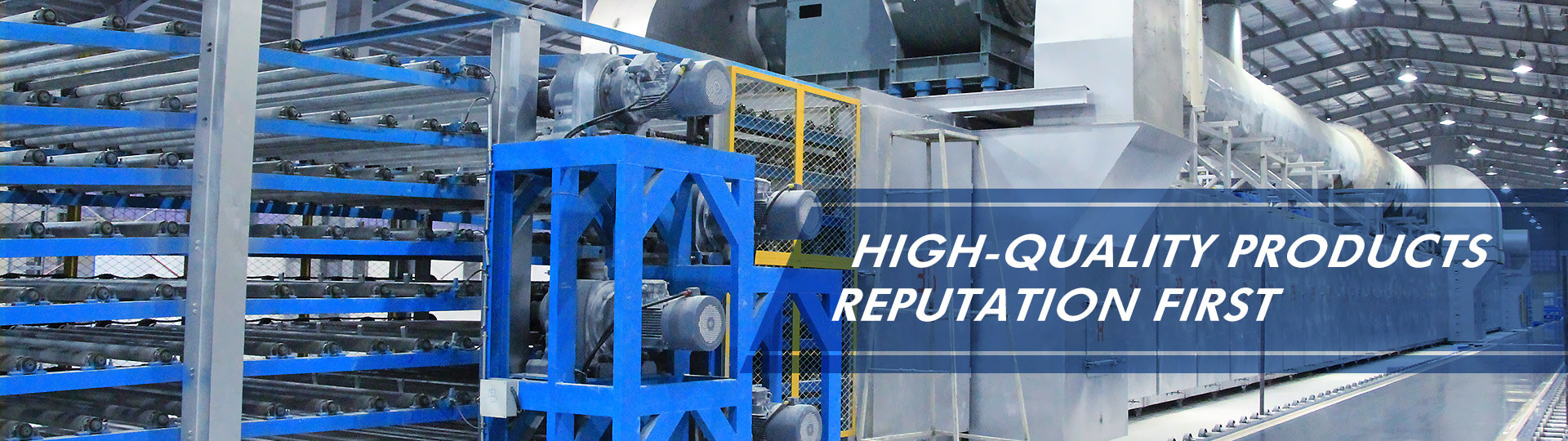
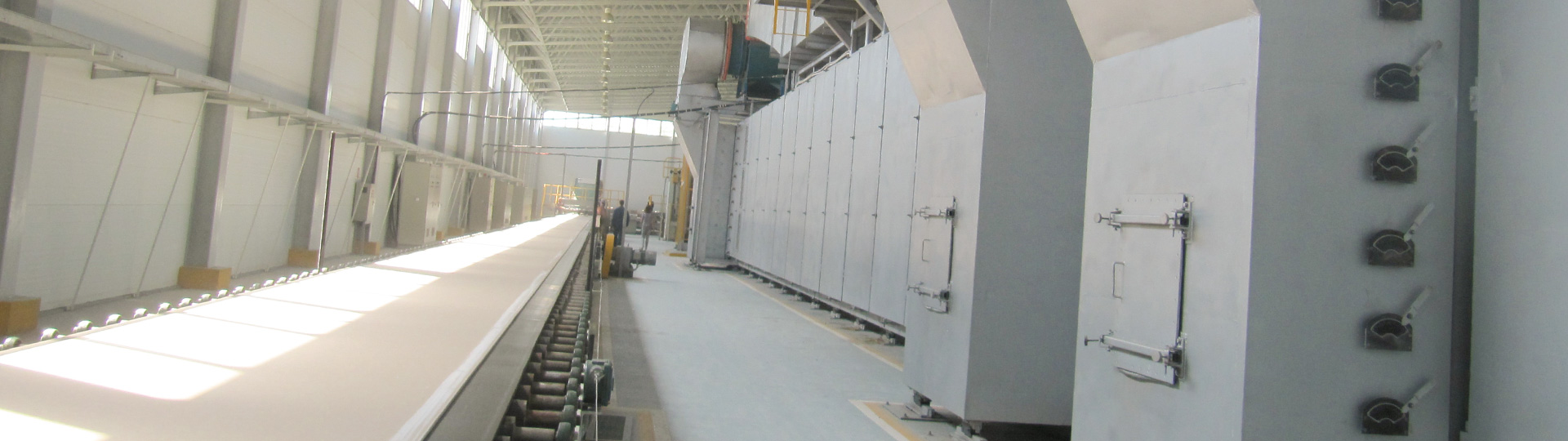
| Multi-deck roller dryer | Remove free water from boards | Number of decks: 8–16; temperature: 180–220°C |
| Stacker (automatic) | Stack finished boards for curing | Stack height: up to 1.5 m; board size adjustment: automatic |
| Edge grinder | Square edges and remove burrs | Grinding wheel grit: 24–36; dust extraction required |
Each gypsum board manufacturing machine must be selected based on the desired production capacity, board dimensions, and available utilities (power, fuel, water).
The wet mixer is the most critical machine in the line. It determines the uniformity of the slurry, which affects board strength, density, and setting time. There are two main types:
Pin mixer (continuous type)
Rotating shaft with pins or blades.
Gypsum powder and liquid additives enter at one end, mixed slurry exits at the other.
Retention time: 10–20 seconds.
Advantages: High output, easy to clean.
Suitable for capacities above 5 million m²/year.
Batch mixer
Mixes one batch at a time, then discharges.
More accurate control of water/powder ratio.
Retention time: 30–60 seconds.
Suitable for small lines (under 3 million m²/year).
For most medium-to-large lines, a continuous pin mixer with a stainless steel rotor and wear-resistant liner is recommended. The mixer’s speed must be synchronized with the forming table speed to avoid over- or under-supply of slurry.
| Annual Capacity (million m²) | Line Speed (m/min) | Mixer Motor Power (kW) | Dryer Heat Source | Number of Dryer Decks |
|---|---|---|---|---|
| 3 – 5 | 3 – 5 | 18.5 – 22 | Biomass / Coal | 8 |
| 6 – 10 | 6 – 10 | 30 – 37 | Natural gas / Oil | 10 – 12 |
| 11 – 15 | 11 – 15 | 45 – 55 | Natural gas | 12 – 14 |
| 16 – 20 | 16 – 20 | 75 – 90 | Natural gas | 14 – 16 |
Higher line speeds require longer setting conveyors and more precise cutting knives. The gypsum board manufacturing machine for high-speed lines often includes servo-driven cutters and automatic edge formers.
Every gypsum board manufacturing machine requires regular maintenance to prevent unplanned downtime. The most common wear parts are:
Mixer pins/blades: Replace every 800–1200 operating hours depending on gypsum abrasiveness.
Forming table belt (if used): Check for tears and alignment monthly.
Cutting knife blades: Sharpen or replace every 200,000 cuts.
Edge trimmer blades: Replace every 400 hours.
Dryer rollers: Inspect bearings and seals every 3 months.
A spare parts inventory should include at least one set of critical wear items. Hengshui Decheng Machinery & Equipment Co.,Ltd. provides a detailed spare parts list with each machine, including part numbers and recommended replacement intervals.
Modern gypsum board manufacturing machine lines are equipped with a central control system based on a Programmable Logic Controller (PLC). The system monitors and adjusts:
Mixer motor current (indicating slurry viscosity)
Forming table speed and vibration intensity
Setting conveyor speed (synchronized with cutter)
Dryer zone temperatures (multiple zones)
Board thickness (online gauge)
An operator interface (HMI) displays real-time data and alarms. Data logging allows quality traceability. Some lines include remote diagnostic capability, allowing the supplier to troubleshoot via internet connection.
Q1: What is the difference between a gypsum board manufacturing machine and a gypsum powder production line?
A gypsum board manufacturing machine specifically refers to equipment that forms, cuts, and dries boards from gypsum powder. A gypsum powder production line, in contrast, produces the powder itself from raw gypsum rock. The two lines are complementary: powder is the raw material for board manufacturing.
Q2: How much floor space is needed for a complete line of gypsum board manufacturing machines?
For a 6 million m²/year line, the production hall typically requires 100–120 meters in length and 15–20 meters in width, plus storage areas for raw materials and finished boards. Additional space for the dryer and boiler room is needed outside the main hall.
Q3: Can one machine line produce different board thicknesses?
Yes. Most lines can produce boards from 6 mm to 25 mm thickness by adjusting the forming table gap, mixer water ratio, and dryer temperature profile. However, changing thickness requires stopping the line and recalibrating the edge formers and cutter.
Q4: What safety features are integrated into these machines?
Standard safety features include emergency stop pull cords along the conveyor, guardrails on moving parts, thermal cutoffs on the dryer, and pressure relief valves on the mixer. Electrical panels are IP54 rated for dust protection.
Q5: How does Hengshui Decheng Machinery & Equipment Co.,Ltd. support machine installation?
They provide detailed foundation drawings, electrical schematics, and on-site supervision for assembly and commissioning. A typical installation package includes 4–6 weeks of an engineer’s time, operator training, and a commissioning report.
Selecting the right gypsum board manufacturing machine for each stage of the production line is a technical decision that affects output quality and operating cost. From the wet mixer to the stacker, each machine has specific design parameters that must match the desired capacity and board specifications. By understanding the functions, maintenance needs, and automation options, investors can build a reliable production line. Hengshui Decheng Machinery & Equipment Co.,Ltd. offers a complete range of machines suitable for small to industrial-scale operations, backed by technical documentation and after-sales support.
Processing Demand Survey
x