Your Choice of Product
Gypsum board machinery is designed to manufacture gypsum boards through a continuous and highly coordinated production process. The machinery integrates mechanical conveying, chemical reactions, thermal treatment, and automated control systems to convert gypsum-based materials into finished boards used in interior wall and ceiling systems. Understanding how gypsum board machinery works is essential for investors, plant operators, and engineers involved in production planning. Hengshui Decheng Machinery & Equipment Co.,Ltd supplies complete gypsum board production machinery configured to ensure stable operation and consistent product quality.
The operation of gypsum board machinery begins with raw material preparation. The primary materials include calcined gypsum powder (stucco), water, additives, and paper liners.
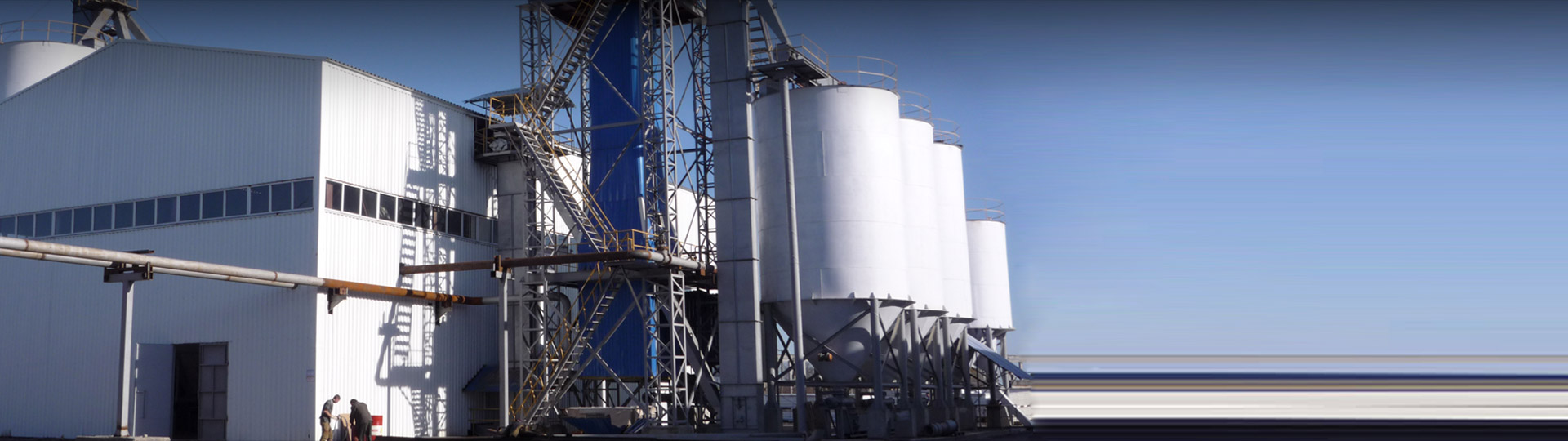
Gypsum powder is stored in sealed silos equipped with level sensors and aeration systems.
Additives such as setting regulators, foaming agents, and strength enhancers are stored in dedicated tanks or containers.
Paper liners are loaded onto automatic unwinders with tension control.
Accurate dosing systems ensure that each material is supplied in the correct proportion, which is critical for downstream performance.
Gypsum board machinery relies on precise proportioning. Automated weighing systems and flow meters measure gypsum powder, water, and additives before feeding them into the mixer.
A continuous mixer or pug mill blends materials into a uniform slurry.
The mixing process controls viscosity, air content, and setting time.
Foaming systems inject controlled air to regulate board density.
The consistency of the slurry directly affects board strength, thickness uniformity, and surface quality.
Once the slurry is prepared, gypsum board machinery moves into the forming stage.
The bottom paper liner is fed onto a moving forming belt.
The slurry is evenly distributed onto the paper using a forming head.
The top paper liner is applied, creating a sandwich structure.
Forming rollers and belts shape the wet board to the required width and thickness. This stage defines the board’s geometry and surface structure.
After forming, the board enters a continuous setting conveyor.
The chemical reaction between gypsum and water allows the slurry to harden gradually.
Conveyor speed is synchronized with the setting time to ensure the board reaches sufficient strength for cutting.
Edge shaping devices create tapered or square edges depending on product requirements.
This controlled setting stage is essential to avoid deformation or cracking.
As the board exits the setting zone, automated cutting equipment divides the continuous strip into specified lengths.
Cutting knives or saws operate in synchronization with line speed.
Length accuracy is maintained through encoder feedback systems.
Trim waste is collected and returned for recycling.
This process ensures uniform board dimensions across production batches.
Drying is a critical part of how gypsum board machinery works.
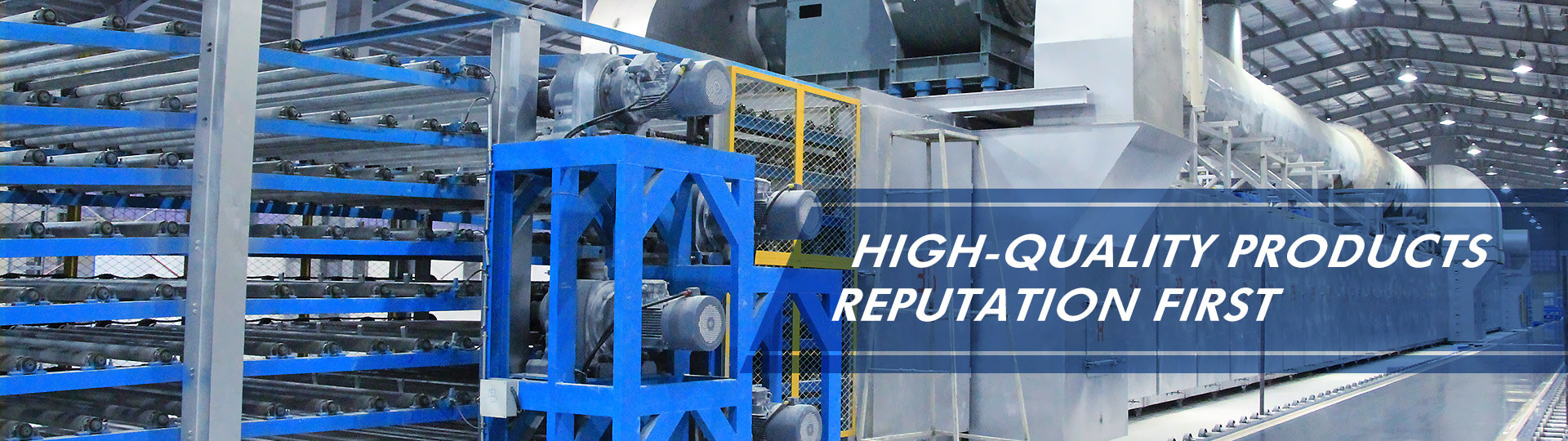
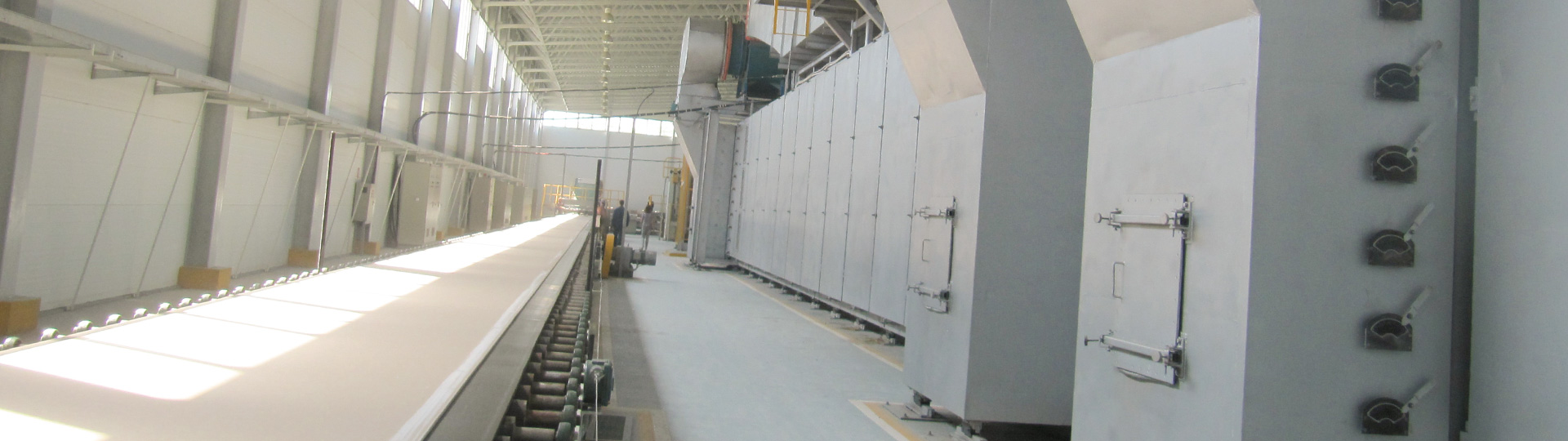
Boards enter a multi-zone drying kiln where temperature and airflow are controlled.
Moisture is gradually removed to prevent warping or surface damage.
Drying parameters are adjusted based on board thickness and production speed.
Proper drying ensures dimensional stability and long-term performance.
After drying, boards are cooled to ambient temperature.
Automatic inspection systems check thickness, moisture, and surface condition.
Boards that do not meet specifications are removed for recycling.
This stage, though often overlooked, ensures consistency before packaging.
Finished boards are stacked automatically in predefined quantities.
Strapping or wrapping systems secure stacks for transport.
PLC control systems coordinate all machinery, from raw material feeding to packaging.
Operators monitor production through centralized control panels.
Hengshui Decheng Machinery & Equipment Co.,Ltd designs machinery systems with integrated automation to ensure smooth and continuous operation.
Gypsum board machinery works through a continuous production process that combines precise material dosing, controlled chemical reactions, mechanical forming, and thermal drying. Each stage is interconnected, and stable operation depends on accurate synchronization across the entire line. With well-designed systems and automation, manufacturers can achieve consistent output and reliable board quality. Hengshui Decheng Machinery & Equipment Co.,Ltd provides complete gypsum board machinery solutions that support efficient and controlled production workflows.
Processing Demand Survey
x