Your Choice of Product
A Plasterboard Production Line is a continuous industrial system designed to manufacture gypsum-based boards used in interior construction, including wall partitions, ceilings, and decorative elements. As demand for lightweight and efficient building materials increases, plasterboard production has become an important segment in the construction materials industry.
This article explains the structure, working principles, equipment configuration, and technical considerations involved in a plasterboard production line, helping manufacturers better understand system requirements and optimization strategies.
A plasterboard production line integrates multiple processes into a coordinated workflow. The system transforms gypsum powder into finished boards through mixing, forming, setting, drying, cutting, and stacking.
| Process Stage | Equipment Used | Function |
|---|---|---|
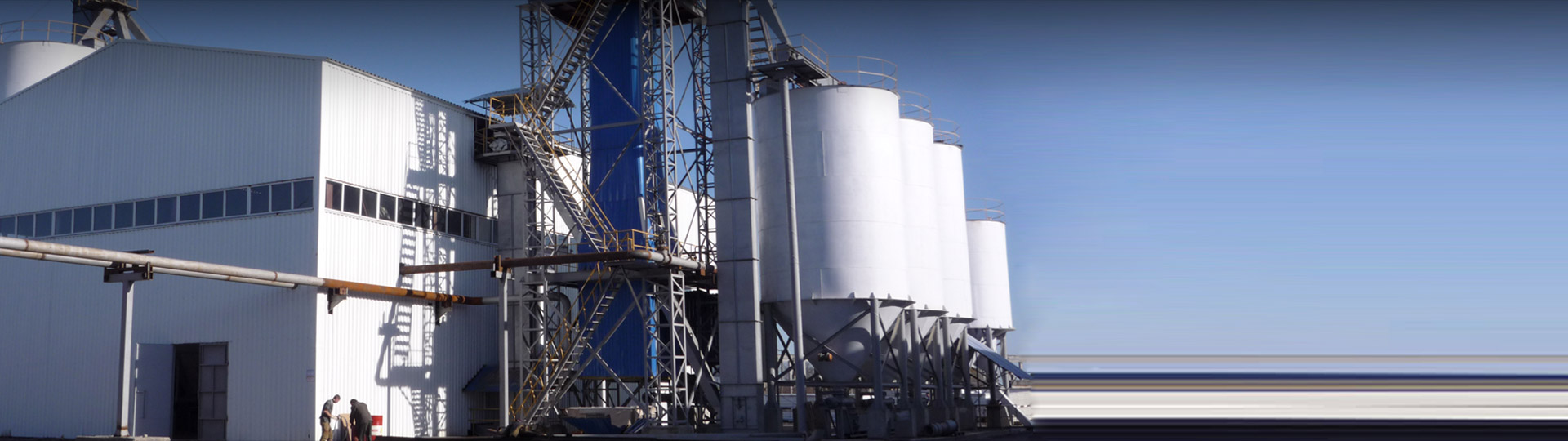
| Raw Material Feeding | Silos, feeders | Store and supply gypsum powder |
| Mixing System | Continuous mixer | Prepare gypsum slurry |
| Forming Section | Forming belt | Shape plasterboard |
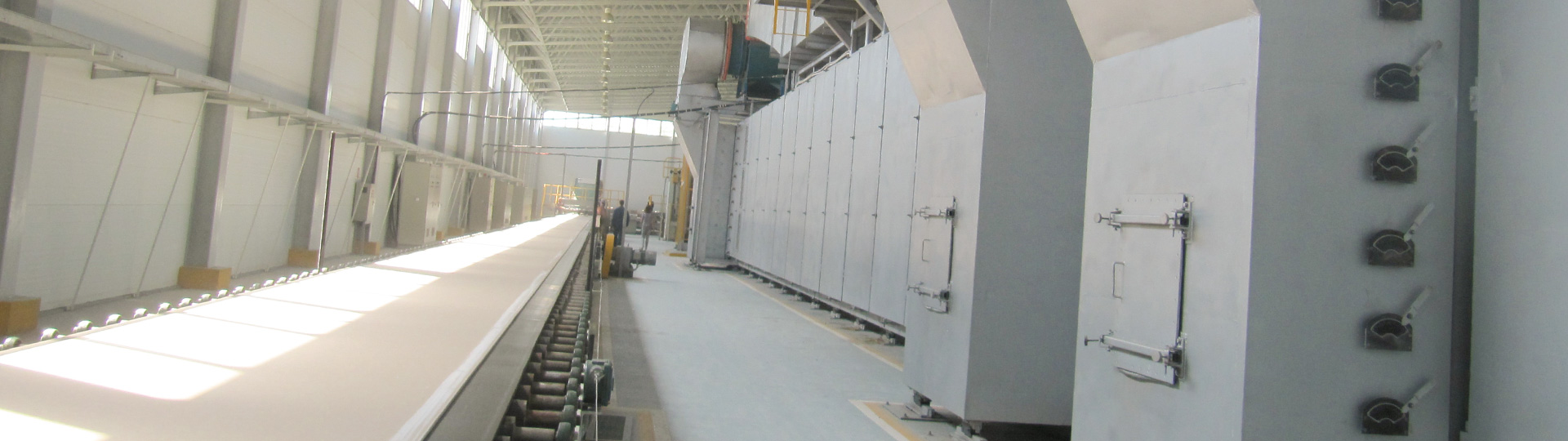
| Setting Conveyor | Conveyor system | Initial board hardening |
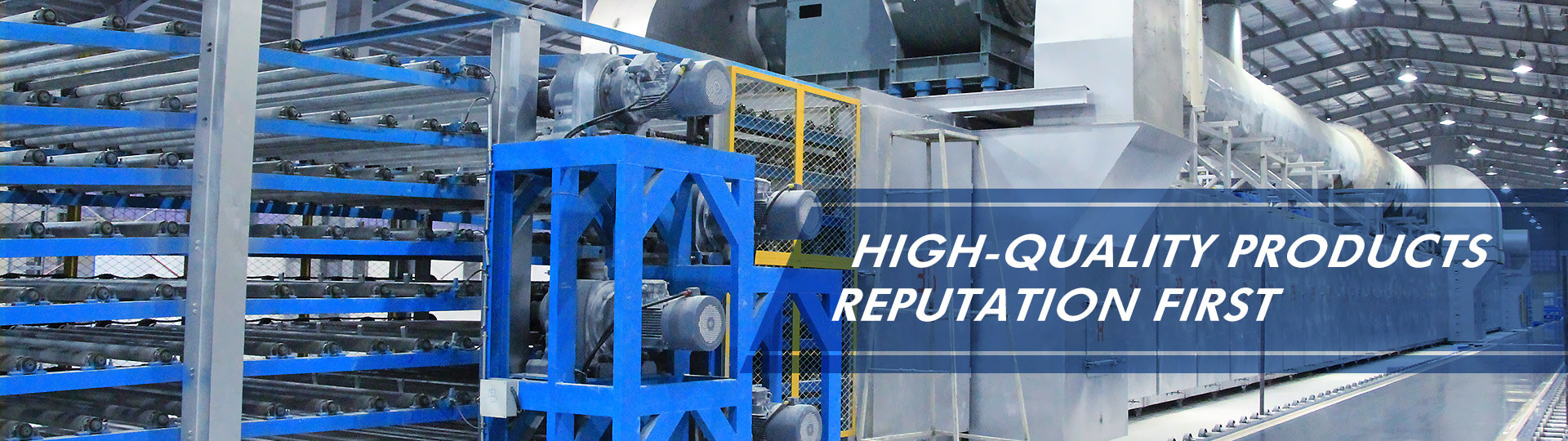
| Drying Section | Multi-layer dryer | Remove moisture |
| Cutting System | Automatic cutter | Control board size |
| Stacking System | Stacker | Final product arrangement |
This section ensures stable supply of gypsum powder, additives, and water. Proper dosing and mixing ratios are essential to maintain product quality.
The mixing system converts dry gypsum powder into a slurry. It controls:
Water-to-gypsum ratio
Additive distribution
Slurry consistency
Uniform slurry ensures consistent board density and strength.
The slurry is poured onto a moving paper liner, then covered with another layer of paper to form a sandwich structure. Thickness is controlled by forming belts and rollers.
After forming, the board travels along a conveyor where chemical reactions begin to harden the gypsum. Proper timing ensures the board reaches sufficient strength before cutting.
Drying removes excess moisture using controlled heat. The drying system is critical for:
Preventing deformation
Maintaining board strength
Ensuring uniform moisture distribution
The board is cut into standard lengths and stacked for packaging. Automation improves precision and reduces waste.
Capacity should align with market demand and investment capability.
| Capacity Level | Output Range | Application |
|---|---|---|
| Small Scale | 2–5 million m²/year | Local markets |
| Medium Scale | 5–15 million m²/year | Regional supply |
| Large Scale | 15+ million m²/year | Export and large projects |
Drying systems consume the most energy. Optimized airflow and heat recovery systems reduce operating costs.
Automation ensures:
Stable production speed
Reduced human error
Consistent product quality
Hengshui Decheng Machinery & Equipment Co.,Ltd provides complete plasterboard production line solutions, including system design, equipment manufacturing, installation guidance, and commissioning support. The focus is on stable operation and process coordination.
In a plasterboard production line, stability is more important than speed. Variations in slurry consistency or drying temperature can lead to defects such as cracks or uneven thickness. A well-balanced system ensures consistent output.
Q1: What is the difference between plasterboard and gypsum board?
They are often used interchangeably, as plasterboard is made primarily from gypsum.
Q2: Can the production line produce different board types?
Yes, with adjustments in additives and process parameters.
Q3: How long does installation take?
Installation time depends on production line size and complexity.
Q4: Is automation necessary?
Automation improves consistency but can be scaled based on budget.
A Plasterboard Production Line is a complex yet structured system requiring careful design and coordination. From raw material preparation to final product stacking, each stage plays a role in ensuring consistent board quality and efficient production. Proper planning, equipment selection, and process control are key to long-term success.
Processing Demand Survey
x