Your Choice of Product
The transformation of natural gypsum rock or synthetic gypsum into a fine, dry powder suitable for construction and industrial applications involves a series of precise mechanical and thermal processes. Understanding this manufacturing flow is essential for operators to ensure product consistency and operational efficiency. The equipment used in this process, such as that provided by Hengshui Decheng Machinery & Equipment Co.,Ltd., is designed to facilitate each stage of this conversion with reliability.
1. Crushing and Pre-Homogenization
The raw material, whether natural gypsum rock or desulfurization gypsum, typically arrives at the plant in large pieces. The initial stage involves primary crushing using a jaw crusher to reduce the material to a manageable size, followed by secondary crushing with an impact crusher or hammer crusher to achieve smaller particles. After crushing, the material is transported to a storage silo. A pre-homogenization process is often employed here, using stacking and reclaiming techniques to ensure a consistent chemical composition and moisture content before the material enters the next phase. This step is critical for stabilizing the final product quality.
2. Drying
Gypsum often contains free water, particularly in synthetic forms. This moisture must be removed before grinding to prevent clogging and inefficiency. A rotary dryer is the standard equipment used for this purpose. The crushed gypsum is fed into a large, rotating cylindrical drum where it comes into direct contact with a stream of hot air. As the material tumbles through the dryer, the moisture evaporates. The airflow then carries the dried material to a cyclone or baghouse dust collector, which separates the dry gypsum particles from the exhaust air.
3. Grinding and Calcination
This is the core of the manufacturing process. The dried gypsum is transported to a grinding mill, typically a Raymond mill or a vertical roller mill. Here, the material is ground into a fine powder. Simultaneously, or immediately following grinding, the process of calcination occurs. Calcination involves heating the ground gypsum to drive off a portion of its chemically bound water (the water of crystallization). This transforms the dihydrate (calcium sulfate dihydrate) into the desired hemi-hydrate (calcium sulfate hemihydrate), commonly known as Plaster of Paris. This reaction is highly sensitive to temperature and duration, requiring precise control within the calcination equipment, which may be a kettle, a rotary kiln, or an integrated flash calciner.
4. Cooling and Aging
The calcined gypsum powder exits the process at an elevated temperature and requires cooling in a rotary cooler. Following cooling, the material is often transferred to an aging silo. Aging allows the chemical and physical properties of the powder to stabilize, ensuring uniform setting times and workability when the plaster is eventually mixed with water at the construction site.
5. Storage, Packing, and Delivery
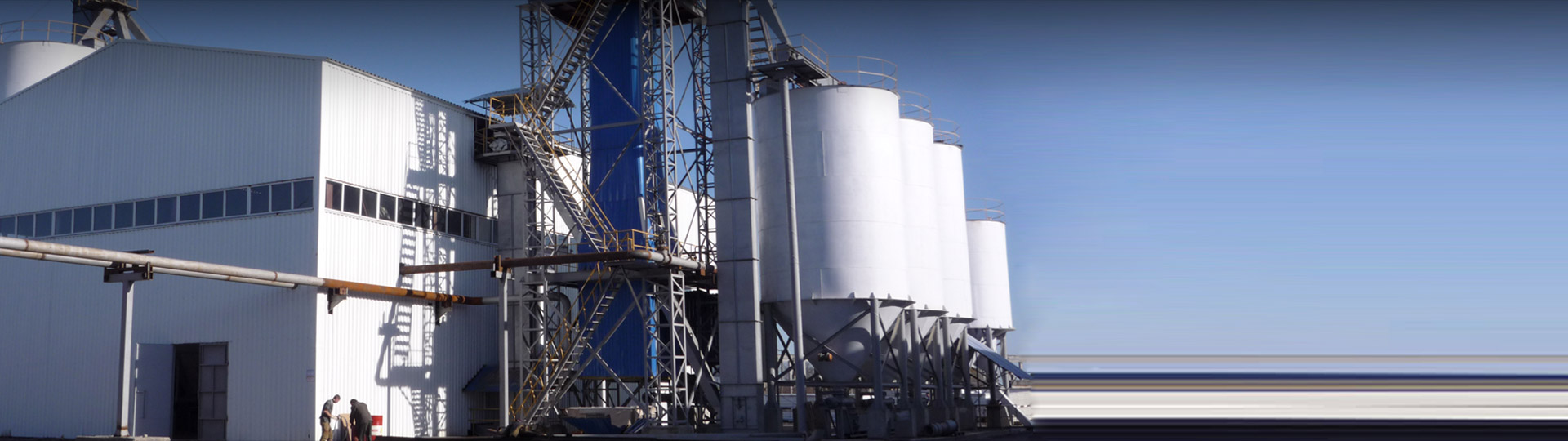
The finished, aged gypsum powder is stored in large, weatherproof silos. From these silos, it is discharged into the packing system. For retail distribution, automatic valve bag packers fill 20-50 kg bags. For industrial customers using bulk trucks or rail cars, the powder is loaded directly via a pneumatic loading system. Throughout this entire manufacturing sequence, the reliability of the machinery—from crushers and dryers to mills and packers—determines the overall productivity of the plant. Hengshui Decheng Machinery & Equipment Co.,Ltd. provides the integrated systems necessary to carry out this complex material transformation.
Processing Demand Survey
x