Your Choice of Product
The design of a gypsum board production line is a comprehensive process that directly influences the efficiency, product quality, and operational cost of a manufacturing plant. A well-considered design integrates various subsystems into a cohesive and synchronized whole. The primary goal is to create a continuous and stable workflow from raw material input to the final packaged board.
The design process begins with a clear definition of production targets. This includes the planned annual output, the range of board types to be produced (varying in thickness, width, and edge profile), and the specific characteristics of the raw gypsum to be used. These parameters determine the capacity and size of all major components. The line must be designed to handle the required volume while allowing for product changeovers with minimal downtime.
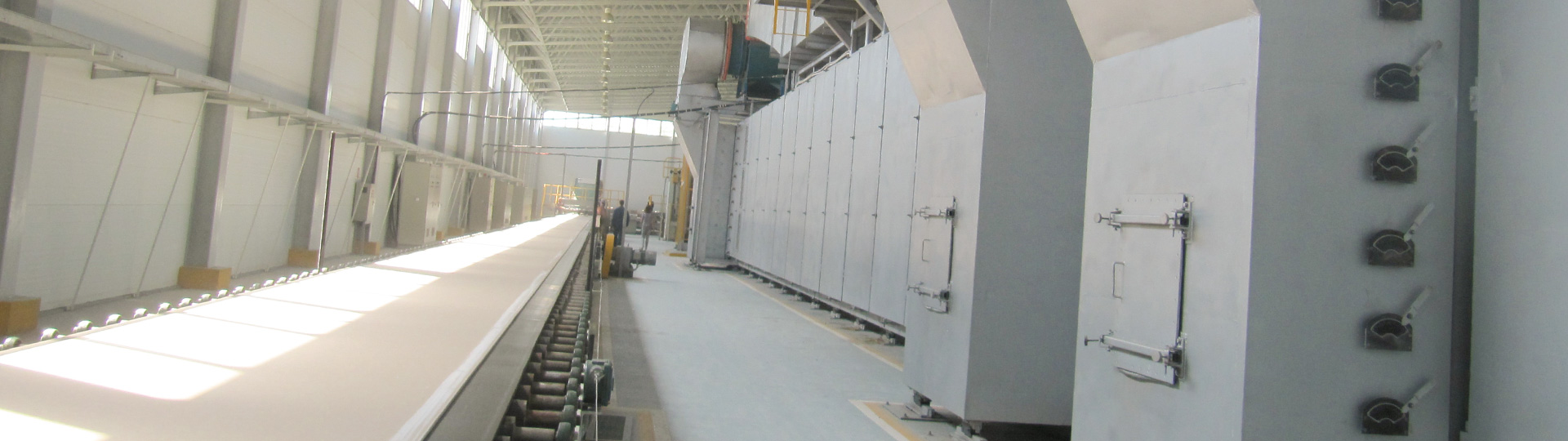
The layout of the production line is a critical aspect. It is typically linear, following the sequence of the manufacturing process. The flow starts with raw material storage and preparation, moves to mixing and forming, proceeds through setting, drying, and finishes with cutting, bundling, and storage. The design must ensure logical material flow, adequate space for equipment operation and maintenance, and safe access for personnel. The length of the main conveyor, which allows the board to set, and the size of the dryer, which removes moisture, are particularly space-consuming and must be calculated precisely based on the production speed and board specifications.
Another fundamental design element is the selection of an appropriate control system. A centralized control system, often with a programmable logic controller (PLC) and human-machine interface (HMI), is standard in modern lines. This system monitors and regulates the speed of conveyors, the mixing water ratio, the temperature zones in the dryer, and the operation of the cutting saws. A well-designed control system is crucial for maintaining consistent product quality and provides valuable data for troubleshooting and efficiency analysis.
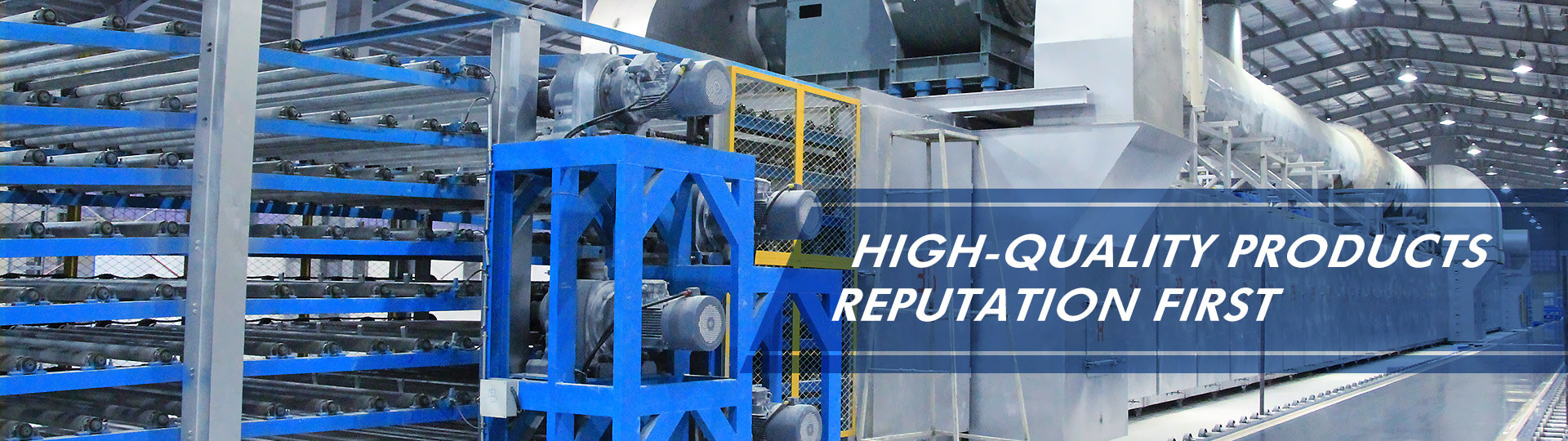
Energy efficiency is also a significant factor in the design phase. The dryer is the largest consumer of energy in the plant. Designs often incorporate heat recovery systems to reuse waste heat from the dryer, thereby reducing fuel consumption. Furthermore, the choice of motors, pumps, and fans with high efficiency ratings can lead to substantial long-term savings on operational costs.
Finally, a good design incorporates provisions for future upgrades and maintenance. This includes designing modular sections for easy replacement, ensuring ample clearance around equipment for service access, and planning for potential capacity expansion. At Hengshui Decheng Machinery & Equipment Co., Ltd., our approach to production line design focuses on creating a balanced, reliable, and scalable system that meets our client's specific production goals and provides a solid foundation for their manufacturing operations.
Processing Demand Survey
x