Your Choice of Product
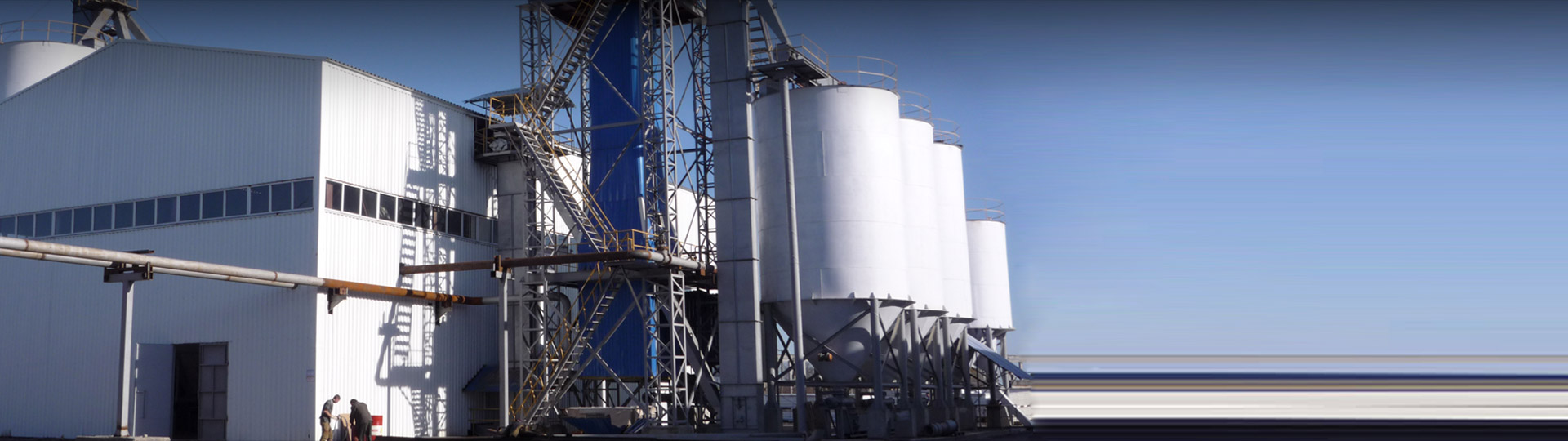
With the final batch of concrete successfully poured, the main structures of the 1.8 million tons per year phosphogypsum washing, purification, and harmless treatment project of Songzi Fertilizer Industry have officially reached the topping-out stage. Key facilities, including the purification unit, filter press workshop, and power distribution room, have now been structurally completed, marking an important milestone in the project’s construction progress.
As a core environmental protection supporting project within the phosphorus chemical industry, this initiative focuses on the safe treatment and resource utilization of phosphogypsum, a major industrial by-product. The accumulation of phosphogypsum has long posed environmental challenges due to the presence of impurities such as soluble phosphorus and fluorine. Without proper treatment, these substances may lead to soil and water contamination.
The project adopts advanced washing and purification technologies designed to effectively remove harmful components from phosphogypsum. Through systematic processing, soluble phosphorus, fluorine, and other impurities are significantly reduced, allowing the treated material to meet the standards required for resource-based applications. This enables the reuse of phosphogypsum in construction materials, soil improvement, and other industrial uses.
Upon completion and operation, the facility is expected to process up to 1.8 million tons of phosphogypsum annually. This large-scale treatment capacity will substantially decrease the volume of solid waste stockpiling, alleviating environmental pressure in the surrounding area. In addition, the project contributes to the development of a circular economy by converting industrial waste into usable resources.
From an environmental perspective, the project plays a key role in promoting sustainable industrial practices. By reducing reliance on landfill storage and minimizing the environmental risks associated with untreated phosphogypsum, it supports regional ecological restoration efforts and helps improve overall environmental quality.
The successful topping-out of the main structures indicates that the project is progressing steadily toward completion. Once fully operational, it is expected to serve as an important model for integrating environmental protection with industrial development in the phosphorus chemical sector.
Overall, this project demonstrates a practical approach to balancing industrial growth with environmental responsibility, offering long-term benefits for both economic development and ecological sustainability.
Processing Demand Survey
x