Your Choice of Product
Zimbabwe’s construction and agricultural sectors have shown steady growth over the past decade, driving demand for gypsum powder used in plaster, ceiling boards, soil conditioners, and industrial fillers. Establishing a local gypsum powder production line in Zimbabwe offers significant advantages: reduced import dependence, lower logistics costs, and better control over product quality. However, selecting the right equipment and understanding the production process are critical for success. This article provides a detailed overview of the gypsum powder production process, key machinery specifications, and practical insights for setting up such a line, with reference to reliable equipment from Hengshui Decheng Machinery & Equipment Co.,Ltd., a recognized supplier in the field.
Zimbabwe possesses natural gypsum deposits in areas such as Makonde and Chiredzi. Despite this, much of the processed gypsum powder is imported from neighboring countries or overseas. A local production line can:
Reduce foreign currency expenditure
Create jobs and technical skills
Supply consistent material to local board manufacturers and construction projects
Enable small-to-medium scale producers to enter the market
The keyword Gypsum Powder Production Line Zimbabwe reflects a growing search trend among local investors and project developers seeking turnkey solutions.
A complete production line transforms raw gypsum rock (calcium sulfate dihydrate) into fine powder (calcium sulfate hemihydrate, also known as plaster of Paris). The main stages are:
| Stage | Equipment | Function |
|---|---|---|
| Crushing | Jaw crusher, hammer crusher | Reduce raw gypsum to <10 mm particles |
| Grinding | Raymond mill, vertical roller mill | Pulverize into 80-200 mesh powder |
| Calcining | Rotary kiln or boiling furnace | Remove partial crystal water (calcination) |
| Cooling | Rotary cooler | Reduce temperature of calcined powder |
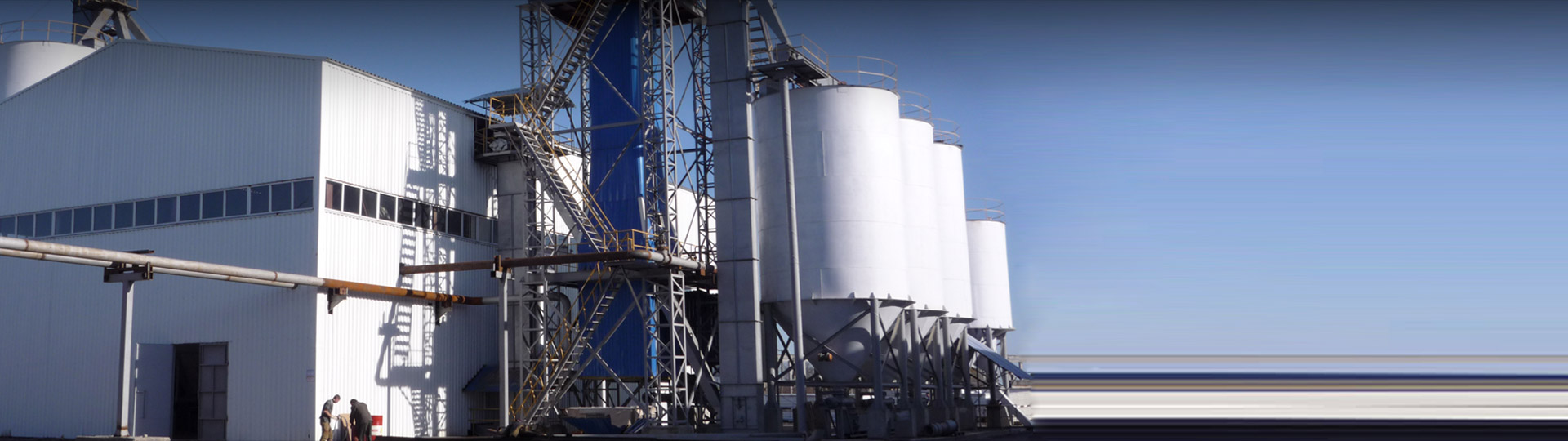
| Aging | Storage silo | Stabilize physical properties |
| Packing | Valve bag packer, screw conveyor | Fill bags (20-50 kg) or bulk loading |
A typical Gypsum Powder Production Line Zimbabwe installation may also include a dust collection system (baghouse filter) and a material handling system (bucket elevators, screw conveyors, belt conveyors).
Calcination is the most critical process. Two common methods are used:
Direct Rotary Kiln Calcination
Raw gypsum enters a rotating cylinder heated by hot air or flame.
Temperature control: 150–180°C.
Advantages: Continuous operation, high capacity (5–30 t/h).
Disadvantages: Higher fuel consumption, requires careful temperature monitoring to avoid over-burning.
Boiling Furnace (Fluidized Bed) Calcination
Gypsum powder is suspended by hot air, creating a fluidized bed.
More uniform heat distribution, better product consistency.
Suitable for medium capacities (3–15 t/h).
Lower energy cost compared to rotary kiln.
For most Zimbabwean operations (small to medium scale, 2–10 t/h), a boiling furnace combined with a Raymond mill offers a balance of cost, reliability, and product quality.
| Capacity (t/h) | Total Power (kW) | Workshop Area (m²) | Typical Application |
|---|---|---|---|
| 2 – 3 | 120 – 150 | 300 – 400 | Small plaster producer |
| 4 – 6 | 200 – 280 | 500 – 700 | Mid-size board plant |
| 8 – 10 | 350 – 450 | 800 – 1000 | Industrial exporter |
| 12 – 15 | 500 – 600 | 1200 – 1500 | Large integrated facility |
The choice depends on raw material availability, local demand, and investment budget. Many investors searching for Gypsum Powder Production Line Zimbabwe start with 4–6 t/h lines.
Zimbabwe’s climate and infrastructure present specific challenges:
Power supply: Frequent voltage fluctuations may require voltage stabilizers or soft starters for motors.
Water availability: Cooling and dust suppression need clean water; consider a recycling system.
Spare parts logistics: Maintain a minimum stock of wear parts (hammer heads, grinding rings, bearings). A reliable Gypsum Board Production Line Supplier China (such as Hengshui Decheng Machinery & Equipment Co.,Ltd.) can provide a recommended spare parts list and local agent support.
Operator training: On-site training for mill operators and lab technicians is essential to maintain product fineness and setting time.
Gypsum powder quality is measured by:
Fineness: Residue on 0.2 mm sieve ≤ 10% (for plastering) or ≤ 5% (for board production).
Setting time: Initial set 6–15 minutes, final set 15–30 minutes (adjustable via retarders).
Whiteness: ≥ 80% for decorative applications.
Compressive strength: 2.5–5 MPa (dry, 2-hour).
A small laboratory with a sieve shaker, Vicat apparatus, and weighing scale is recommended alongside the production line.
Q1: What raw materials are suitable?
Natural gypsum rock (CaSO₄·2H₂O) with purity >70%, or synthetic gypsum from phosphate or desulfurization processes. Zimbabwe’s natural gypsum typically contains 75–85% purity, which is acceptable.
Q2: How much investment is needed for a 5 t/h line?
Equipment cost (excluding civil works) ranges from USD 150,000 to 250,000 depending on automation level. Add 20–30% for installation, electrical, and training.
Q3: Can the same line produce both powder and board?
No. Gypsum powder is the raw material for board production. A separate gypsum board production line is required for board forming, drying, and cutting. However, a powder line can supply a downstream board line.
Q4: How do I find a reliable Gypsum Board Production Line Supplier China?
Look for suppliers with proven export experience to Africa, clear technical documentation, and after-sales support. Hengshui Decheng Machinery & Equipment Co.,Ltd. offers both powder and board lines, with installation teams that have worked in Zimbabwe and neighboring countries.
Q5: What is the typical lead time from order to commissioning?
For a 5 t/h line: manufacturing 60–75 days, shipping 30–40 days (via Durban or Beira ports), installation 30–45 days. Total 4–6 months.
Setting up a Gypsum Powder Production Line Zimbabwe is a viable industrial project with good return on investment, given the growing construction market and available local gypsum. Key success factors include selecting the right capacity, ensuring stable power, and sourcing equipment from an experienced supplier. Hengshui Decheng Machinery & Equipment Co.,Ltd. provides complete lines with technical documentation, commissioning, and training. For investors also considering downstream integration, the same company can supply a Gypsum Board Production Line Supplier China solution that matches the powder line output.
Processing Demand Survey
x