Your Choice of Product
The Gypsum Powder Manufacturing Process is a critical industrial workflow that transforms raw gypsum stone into fine powder used in construction, agriculture, and industrial applications. Understanding each stage of this process is essential for manufacturers seeking consistent quality, controlled production costs, and efficient plant operation.
This article provides a comprehensive breakdown of the gypsum powder manufacturing process, including machinery configuration, operational steps, and technical considerations.
The process involves multiple sequential stages, each contributing to the final product quality.
| Stage | Equipment | Function |
|---|---|---|
| Crushing | Crusher | Reduce raw gypsum size |
| Grinding | Mill | Produce fine particles |
| Calcination | Calciner | Remove crystal water |
| Classification | Separator | Control fineness |
| Storage & Packing | Silo & packing machine | Final handling |
Each stage must be precisely controlled to ensure stable output.
Large gypsum rocks are fed into crushers to reduce their size to manageable dimensions (usually below 30 mm). Crushing improves grinding efficiency and prevents excessive wear on milling equipment.
Key technical factors:
Feed size consistency
Crusher capacity matching
Dust suppression systems
After crushing, gypsum enters the grinding mill. This stage determines the particle size of the final powder.
Common grinding systems include:
Raymond mills for medium-scale production
Vertical mills for continuous operation
Ball mills for specific fineness control
Grinding systems are often integrated with air classifiers to achieve precise particle size distribution.
Calcination is the most critical stage in the Gypsum Powder Manufacturing Process. In this step, gypsum dihydrate is heated to remove part of its water content, producing hemihydrate gypsum.
| Equipment | Characteristics |
|---|---|
| Rotary kiln | Continuous operation |
| Fluidized bed | Uniform heat distribution |
| Kettle calciner | Batch processing |
Temperature control is essential, typically maintained between 120°C and 180°C depending on the desired product.
After calcination, the powder is classified using separators. Oversized particles are returned to the grinding system, while fine powder is collected.
Dust collectors (such as bag filters) are used to:
Reduce emissions
Improve material recovery
Maintain clean working conditions
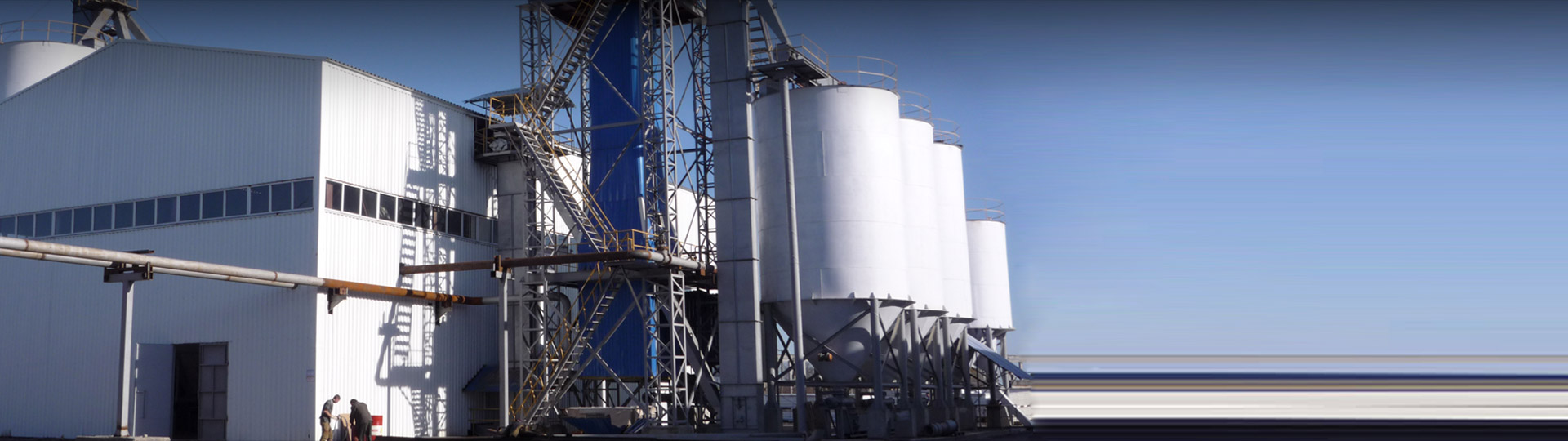
Finished gypsum powder is stored in silos before being packed into bags or transported in bulk. Automated packing systems improve efficiency and reduce manual handling.
A stable gypsum powder manufacturing process depends on:
Balanced material flow
Consistent temperature control
Reliable automation systems
Small fluctuations in calcination temperature or grinding fineness can significantly affect product quality.
Hengshui Decheng Machinery & Equipment Co.,Ltd provides integrated solutions for gypsum powder production lines, including process design, equipment supply, and technical support. The focus is on maintaining process consistency and ensuring compatibility between different machinery components.
Q1: What determines gypsum powder quality?
Particle size, calcination temperature, and raw material purity are key factors.
Q2: Can the process be automated?
Yes, modern production lines use centralized control systems.
Q3: What is the typical production capacity?
Capacity varies depending on plant design and equipment configuration.
Q4: Is dust control necessary?
Yes, it is essential for environmental compliance and material efficiency.
The Gypsum Powder Manufacturing Process is a structured and highly controlled system involving crushing, grinding, calcination, and classification. Proper equipment selection and process optimization ensure stable production and consistent product quality.
Processing Demand Survey
x