Your Choice of Product
East Africa is experiencing rapid urbanization and infrastructure development. Kenya, as one of the region’s leading economies, has seen steady growth in construction activities. This has increased demand for interior finishing materials, particularly gypsum boards. Establishing a Gypsum Board Production Line Kenya offers opportunities to supply both domestic and regional markets.
Kenya’s demand for gypsum board products is supported by:
Urban housing expansion
Commercial real estate growth
Government infrastructure programs
Rising preference for lightweight partition systems
Currently, a significant portion of gypsum boards is imported. A local Gypsum Board Production Line Kenya reduces supply chain costs and supports regional manufacturing development.
A gypsum board production line in Kenya typically includes:
| Process Stage | Equipment | Function |
|---|---|---|
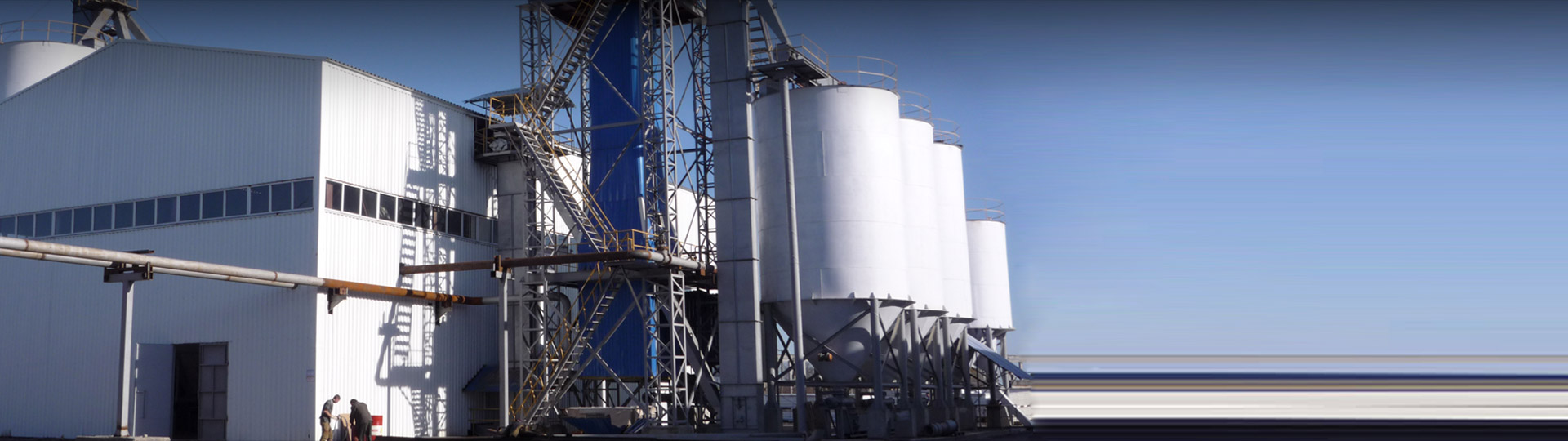
| Gypsum Powder Feeding | Storage silo | Raw material storage |
| Mixing System | Continuous mixer | Slurry production |
| Forming Section | Belt forming machine | Board shaping |
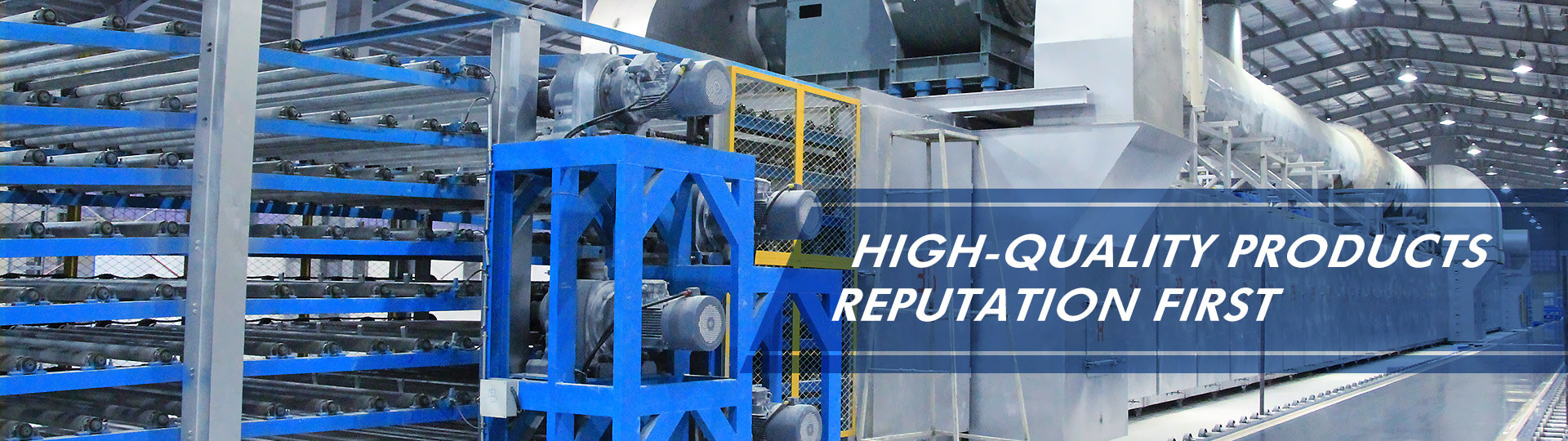
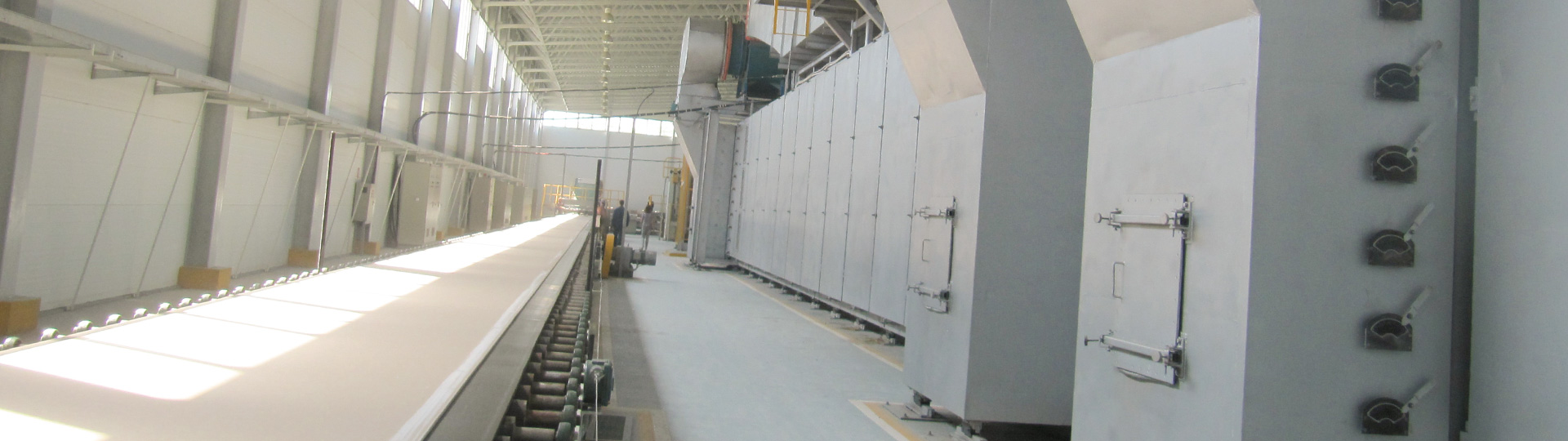
| Drying System | Multi-layer dryer | Controlled dehydration |
| Cutting & Stacking | Automatic cutter & stacker | Final processing |
Environmental conditions in Kenya require attention to stable power supply integration and dust control systems.
Voltage stabilization systems
Water recycling systems
Energy-efficient drying chambers
Modular layout for phased expansion
Because logistics infrastructure varies across regions, machinery must be designed for transport flexibility and simplified on-site assembly.
| Plant Type | Annual Capacity | Investment Complexity |
|---|---|---|
| Entry Level | 2–4 million m² | Moderate |
| Standard Line | 5–10 million m² | Structured |
| Large Facility | 10+ million m² | Advanced planning required |
A phased investment strategy allows gradual expansion aligned with market demand.
Hengshui Decheng Machinery & Equipment Co.,Ltd supplies gypsum board production equipment tailored to project requirements. Services include:
Process design consultation
Equipment integration
Installation and commissioning support
Technical training guidance
The focus remains on stable production flow and mechanical durability.
Kenya may rely on imported gypsum powder or locally processed gypsum. Controlling slurry water ratio and setting time is essential to ensure board thickness uniformity and structural strength.
Automation systems help maintain consistent board density even with fluctuating raw material properties.
Q1: Is Kenya suitable for local gypsum board production?
Yes. Growing construction demand supports domestic manufacturing.
Q2: What utilities are required?
Electricity, water supply, fuel for dryers, and compressed air systems.
Q3: How much space is required?
Land area depends on capacity but typically includes production hall, raw material storage, and finished goods warehouse.
Q4: Can production lines support export markets?
Yes, if production capacity and quality control meet regional standards.
A Gypsum Board Production Line Kenya presents strong potential due to increasing construction demand and regional market opportunities. Careful technical planning, appropriate capacity selection, and stable equipment integration are critical to long-term operational success.
Processing Demand Survey
x