Your Choice of Product
At the construction site of the Fujian Youxing Opai New Building Materials Project in the Beian Economic Development Zone, reporters observed that the first phase, covering over 250 acres, has completed its main structural construction, and 11 steel gypsum powder silos have been installed.
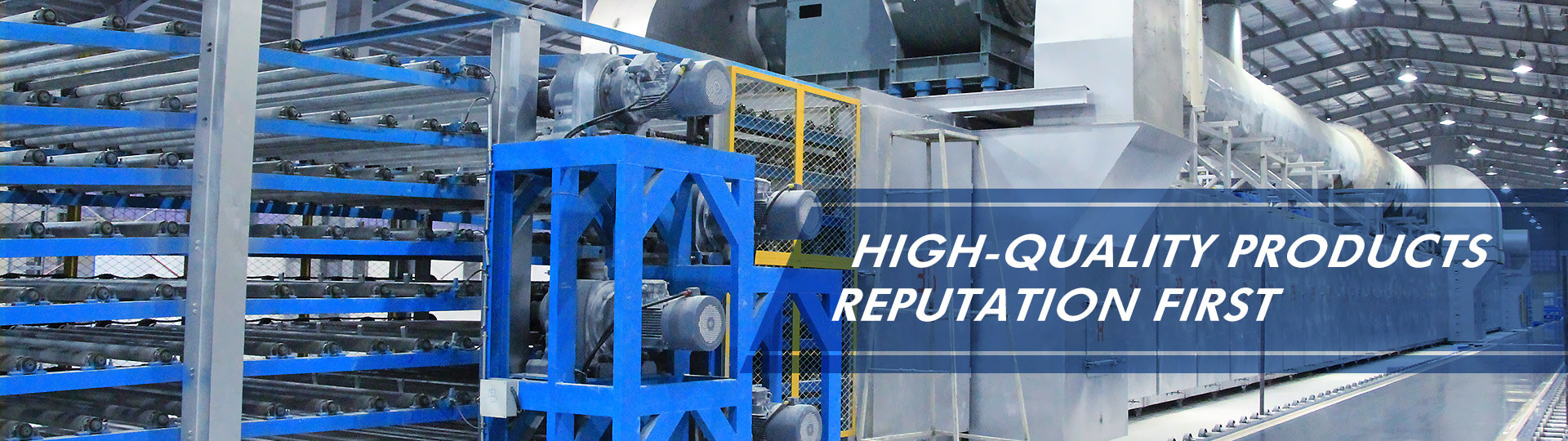
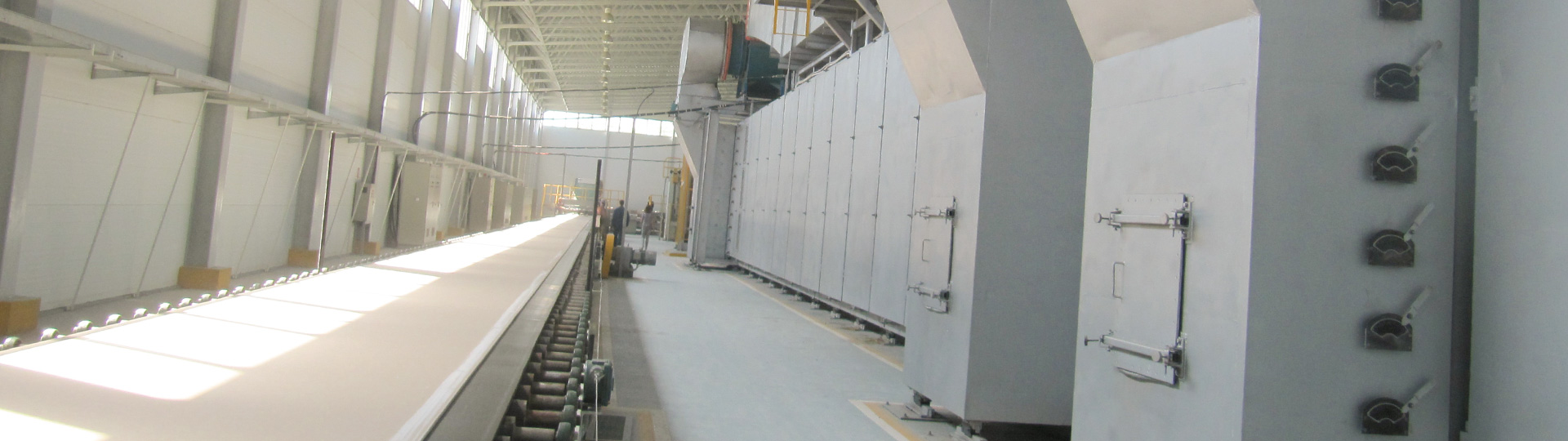
“One steel gypsum powder silo can store 1,000 tons of gypsum powder. The silos are equipped with complete systems, featuring a high level of mechanization and automation, ensuring safe storage while minimizing pollution,” explained Han Qingming, project manager of Youxing Opai. The project has introduced two world-leading gypsum board production lines, all employing the latest technology and equipment, capable of producing 60,000 square meters of gypsum board per day. The equipment is now in full commissioning, preparing for the final pre-production phase.
Notably, the project will recycle industrial solid waste — desulfurized gypsum — turning it into a valuable resource. Advanced equipment and technology will recover and reuse the desulfurized gypsum to produce new environmentally friendly paper-faced gypsum boards.
In one corner of the factory, neatly arranged gypsum board samples were on display. Technicians explained that these boards are made through processes including raw material calcination, storage, forming, cutting, drying, precision trimming, and edge sealing, effectively transforming solid waste into eco-friendly construction materials. The gypsum boards feature high fire resistance, excellent sound insulation, crack resistance, and water and moisture protection, and can be customized according to customer requirements, offering greater stability than traditional gypsum boards.
Nearby, the Guotou Meizhou Bay Thermal Power Plant produces desulfurized gypsum as a by-product of coal combustion. This material will serve as the raw material for the Youxing Opai production line. The two parties have established a 3-kilometer supply route, enabling daily consumption of 1,000 tons of desulfurized gypsum from the power plant. This close-proximity, high-efficiency utilization forms a circular economy industrial chain, achieving sustainable recycling and resource efficiency.
Processing Demand Survey
x